

The Power of Checklists in Healthcare and Beyond
Introduction
HISTORY


Nurses developed patient charts and forms that incorporated the monitoring of four vital signs: body temperature, pulse, blood pressure, and respiratory rate. These tools enabled them to track their patients' health status by regularly checking and evaluating vital signs every six hours. This system helped ensure that patients received timely and appropriate medical attention when necessary.⁵







After extensive research spanning several years, the World Health Organization developed a surgical safety checklist in 2009 that healthcare workers worldwide use in their operating rooms today. This standardized and universal checklist has become an essential tool for ensuring patient safety during surgical procedures, reflecting the WHO's commitment to improving healthcare outcomes globally.¹⁰
NUMBERS
As of 2019, the WHO's checklist is utilized in 70% of operating rooms worldwide, with over 20 countries adopting it as their national standard.¹⁰


Years of Evidence
Since the WHO introduced its Surgical Safety Checklist, research on its impact has grown rapidly. Studies show it improves patient safety, operating room efficiency, and team communication—benefits achievable in hospitals of any size or budget. Today, the checklist is a cornerstone of surgical safety, driving safer, more reliable care worldwide.
STUDIES

In 2021, a study in Brazil concluded that the implementation of the surgical checklist in 2010 reduced surgical site infections (SSI), particularly in contaminated and infected wounds.³ According to their findings, the checklist also lowered infections caused by hard-to-treat microorganisms, decreased antimicrobial resistance, and led to a 3.2% drop in in-hospital mortality. The use of the checklist demonstrated a positive impact on patient safety and outcomes.

In a 2012 comparative study at the University of Connecticut’s Department of Surgery, a checklist was introduced for high-risk procedures through three 60-minute team training sessions. With a 97.26% completion rate, checklist use was associated with a marked reduction in 30-day morbidity, from 23.60% to 8.20% compared with historical controls. The study demonstrated that combining a comprehensive checklist with team training can significantly improve patient outcomes and surgical safety.

In 2015, a randomized controlled trial conducted in Norway revealed that the use of the WHO Surgical Safety Checklist (SSC) led to shorter hospital stays by almost a day on average. It significantly lowered complications during hospital stays, dropping from 19.9% to 11.5%. The checklist proved effective, reducing the chances of issues (hence shorter stays) even when considering other factors.⁶

In 2023, a qualitative study conducted in Switzerland revealed positive impacts on leadership, teamwork, timing, and acceptance with the use of the WHO Surgical Safety Checklist. Challenges, including understanding and training gaps, resulted in execution variations despite effective implementation. Improvement in teamwork and communication occurred, but hurdles influenced overall effectiveness.¹³

In 2012, a 20-study review conducted in Germany underscored the powerful impact of the Surgical Safety Checklist, revealing up to a 62% reduction in perioperative mortality and a 37% drop in morbidity. The study concluded that the checklist serves as a crucial instrument for enhancing communication, teamwork, and safety culture in the operating room.⁴

In a 2015 study conducted in India involving 700 surgery patients, those using a modified WHO Surgical Safety Checklist (Rc Arm) demonstrated significant improvements, with lower rates of complications such as wounds, abdominal issues, and bleeding. The study emphasized that the surgical safety checklist is not a rigid manual but a dynamic aid, adapting to various surgical contexts to enhance patient safety.²






NUCLEAR POWER
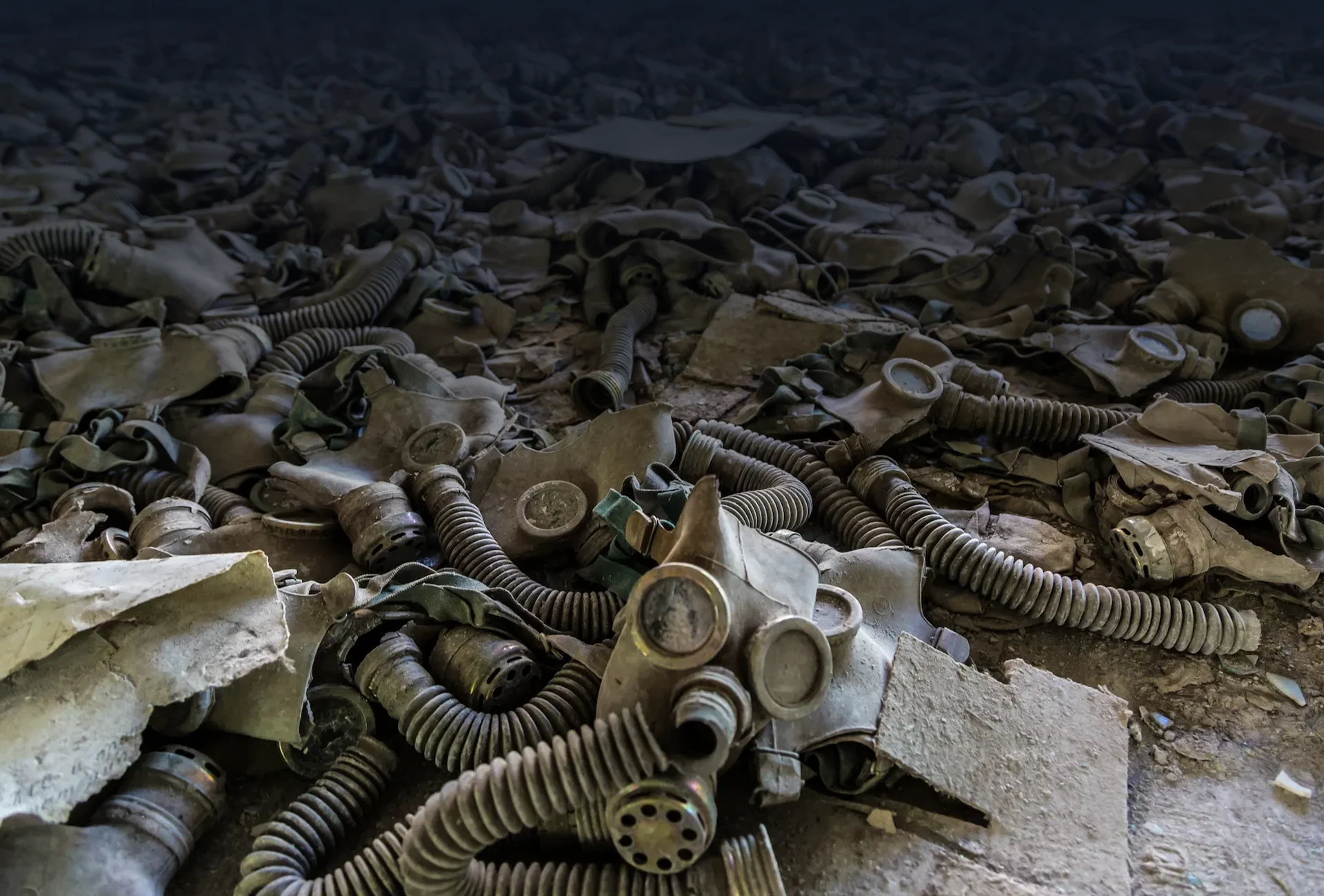
In 1986, the Chernobyl disaster resulted from a reactor shutdown gone wrong, leading to explosions, fires, and the release of radioactive materials. The accident exposed a weak safety culture, a lack of communication among stakeholders, coupled with strict hierarchies. The implementation of a checklist might have clarified procedures and ensured that key safety protocols were followed during routine operations and emergencies.¹¹
CHALLENGES


Checklists can inadvertently introduce efficiency hurdles. The additional workload associated with them must be managed effectively to prevent employee burnout and maintain a balance between high-quality care delivery and efficiency.
The OR Black Box optimizes workflow by customizing checklists to meet the specific needs of each hospital. It regularly monitors their efficacy without imposing additional workload on hospital staff.

Insufficient training, lack of ownership, and unclear expectations lead to shortcuts and a checkbox mentality, rather than fostering a shared, collaborative mental model of the procedure. This undermines the effectiveness and purpose of the checklist.
The OR Black Box implements a checklist adaptable to diverse settings, following universal standards. This approach ensures that clear expectations for improvement are known and measured, promoting the use of checklists as collaborative tools.

Maintaining quality and compliance standards presents a challenge when audits are infrequent, poorly executed, short-lived, and reluctant to incorporate feedback aimed at enhancing the checklist's execution.
The OR Black Box conducts regular audits to assess its adherence and effectiveness, serving as a centralized hub. It establishes a clear communication channel and feedback mechanism to address measurement and scalability challenges as they arise.
SURGICAL SAFETY TECHNOLOGIES