HEALTHCARE TECHNOLOGY

Translating Technology into
Assets that Drive Adoption

Translating Technology into Assets
that Drive Adoption

Translating Technology into Assets that Drive Adoption

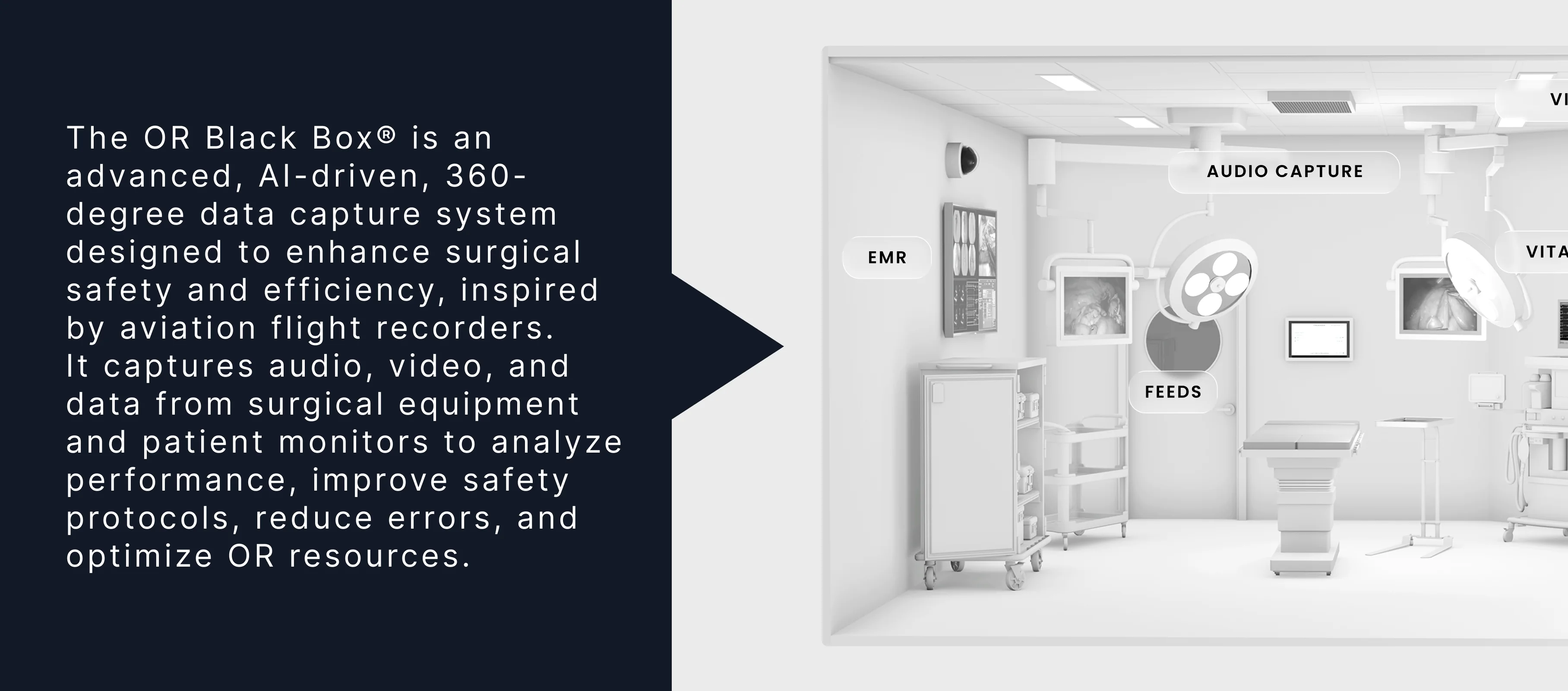
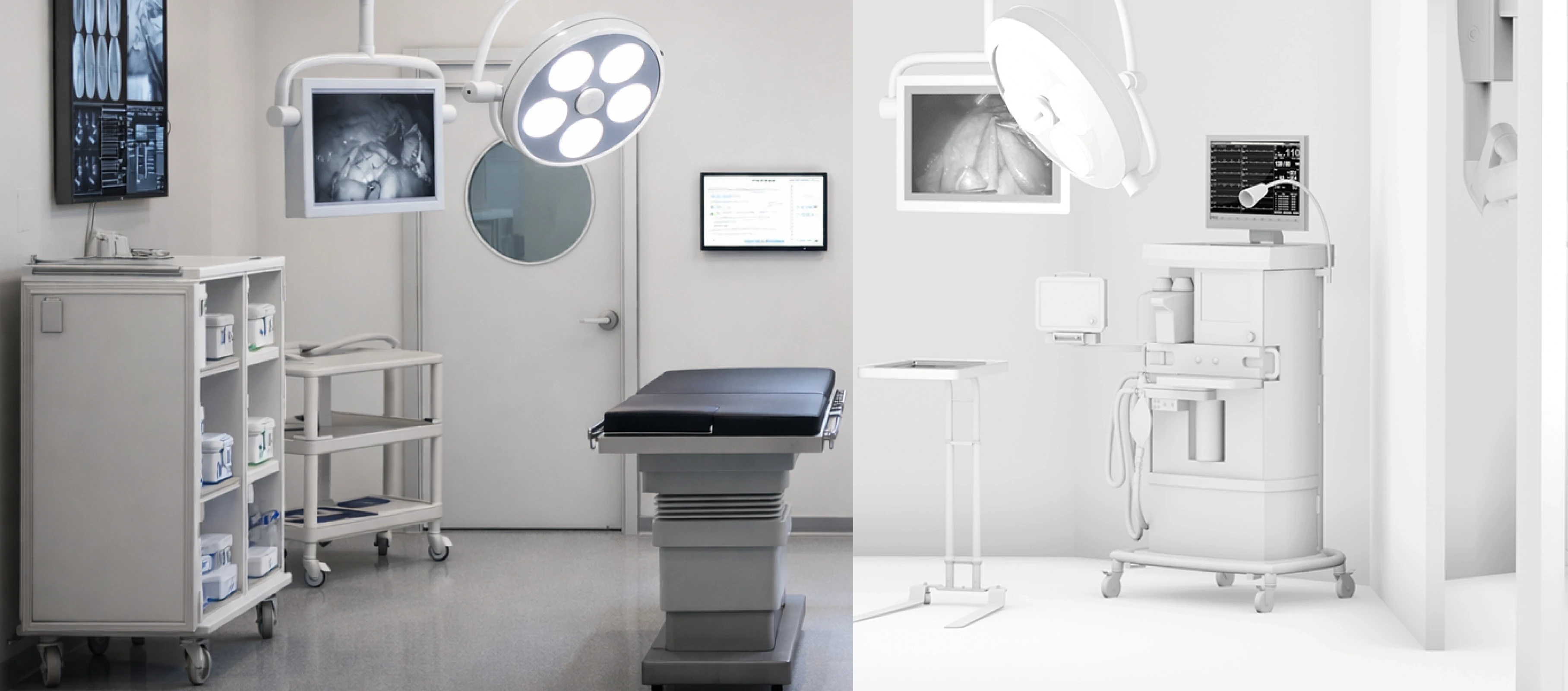
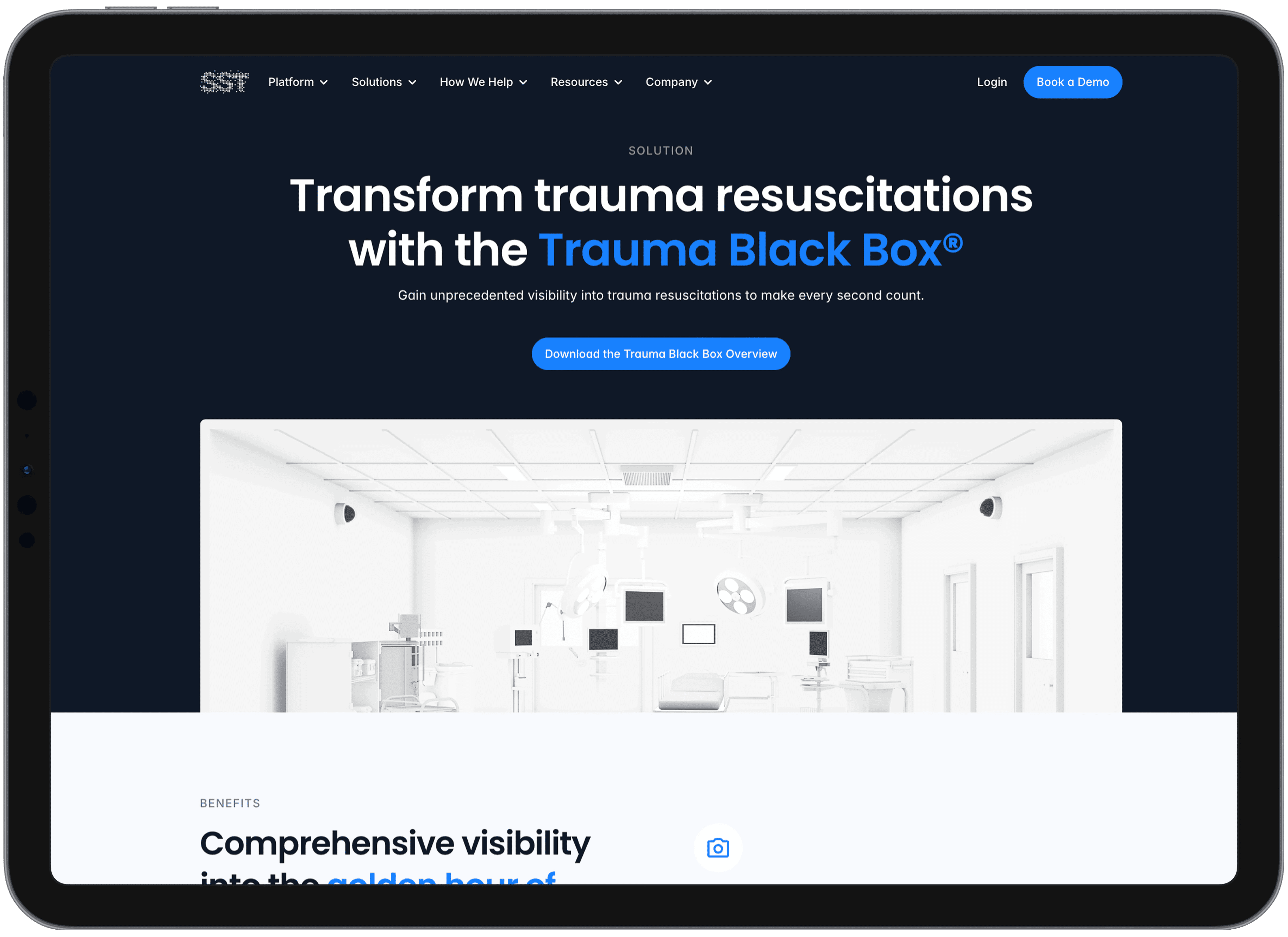
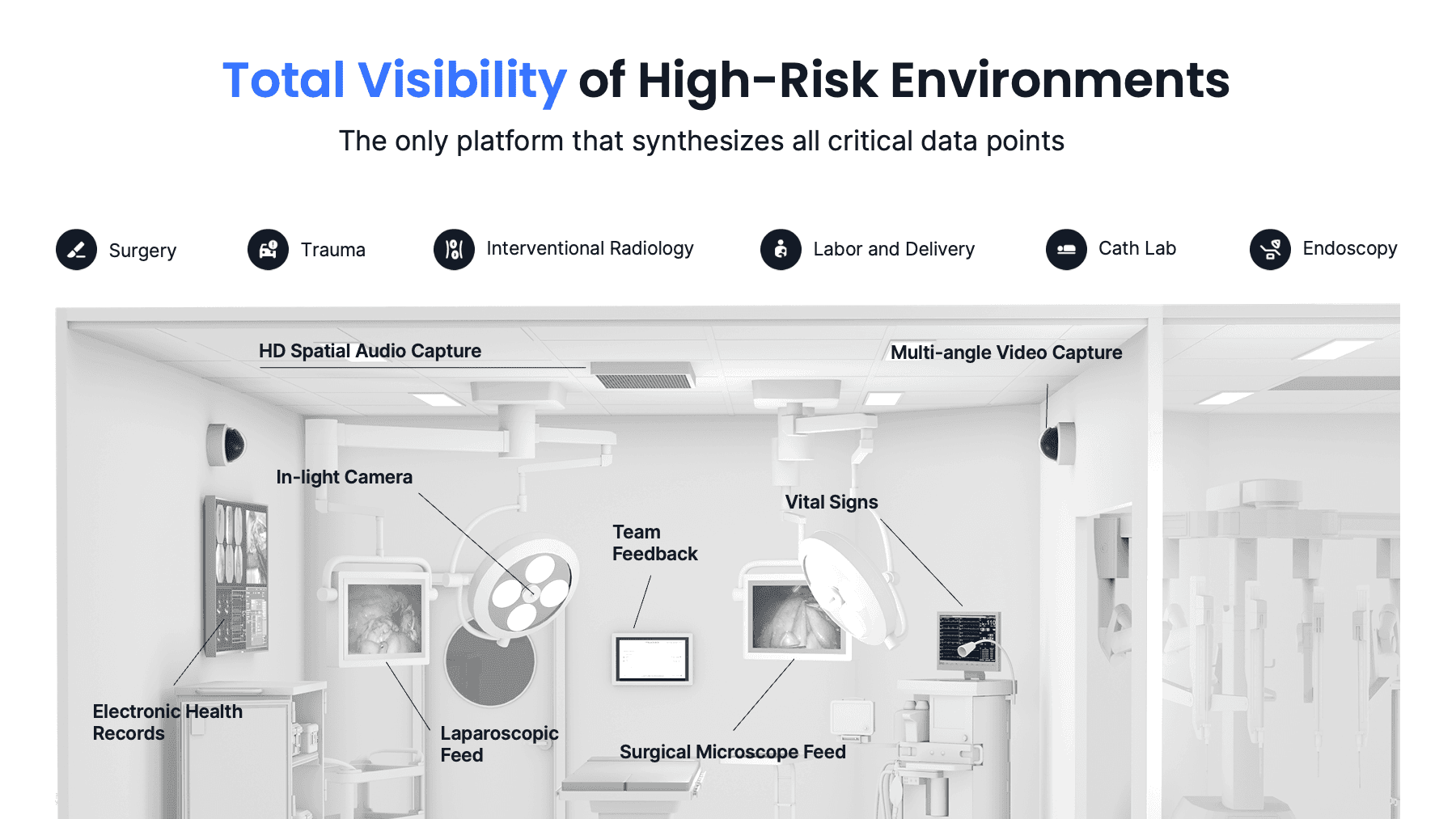
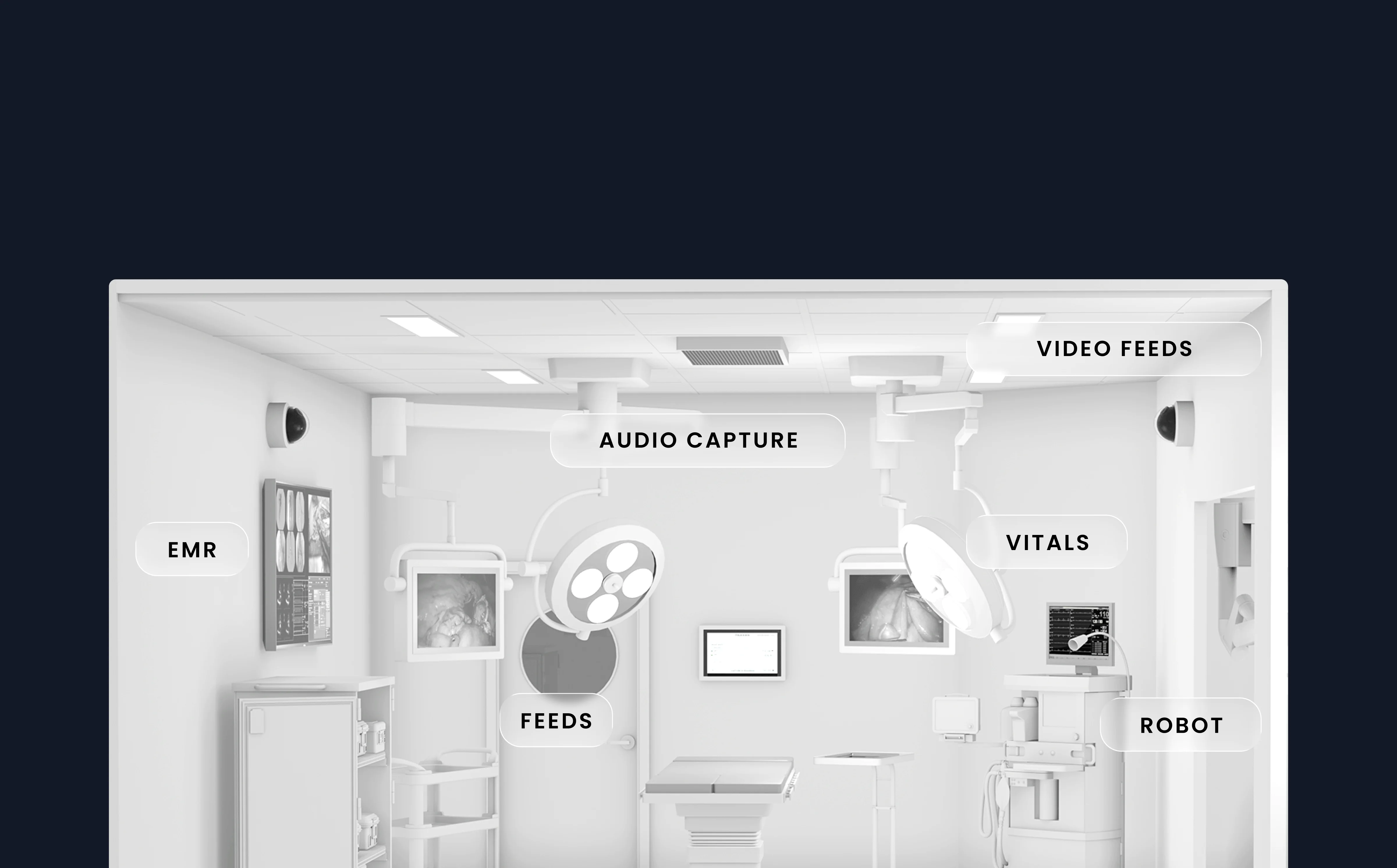
Built a 3D asset library to visualize complex surgical environments, enabling teams to clearly communicate how the product works across sales decks, marketing, and web.

Roles

Visual Design

Art Direction

Overview

Developed a 3D asset library used across teams to support decks,
marketing, and the website

eBay operates at a massive scale, with campaigns constantly evolving. This project focused on bringing clarity and consistency to high-volume campaign execution and cross-channel system application

Impact

End-to-end

project ownership

20+

uses across decks, marketing, and web

average session
time at launch

uses across decks,
marketing, and web

Scalable

assets that are consistent across touchpoints

conversion rate
at launch

The Challenges

Making the product easy to understand
Translating how the product works into clear, intuitive 3D visuals
without clutter

Translating how the product works into clear, intuitive 3D visuals without clutter

Designing for multiple use cases

Creating assets that work across decks, marketing, and web without losing clarity or consistency.

Creating assets that work across decks, marketing, and web without losing clarity
or consistency.

Balancing realism and clarity

Finding the right level of detail to keep visuals clinically
accurate without overwhelming the viewer

Finding the right level of detail to keep visuals clinically accurate without overwhelming the viewer

Establishing a 3D visual standard

Defining a visual approach for 3D in the absence of an existing system

Process

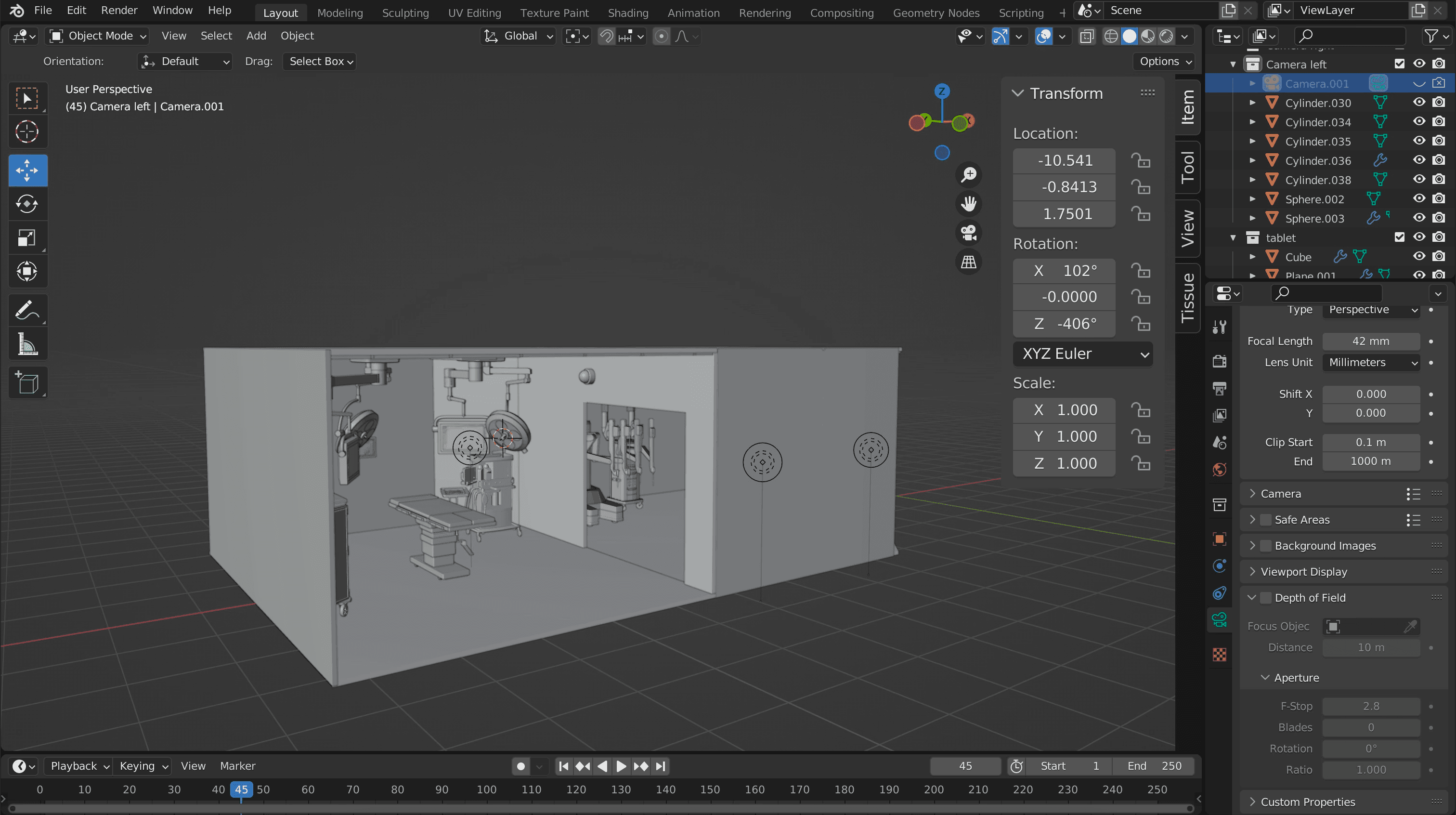
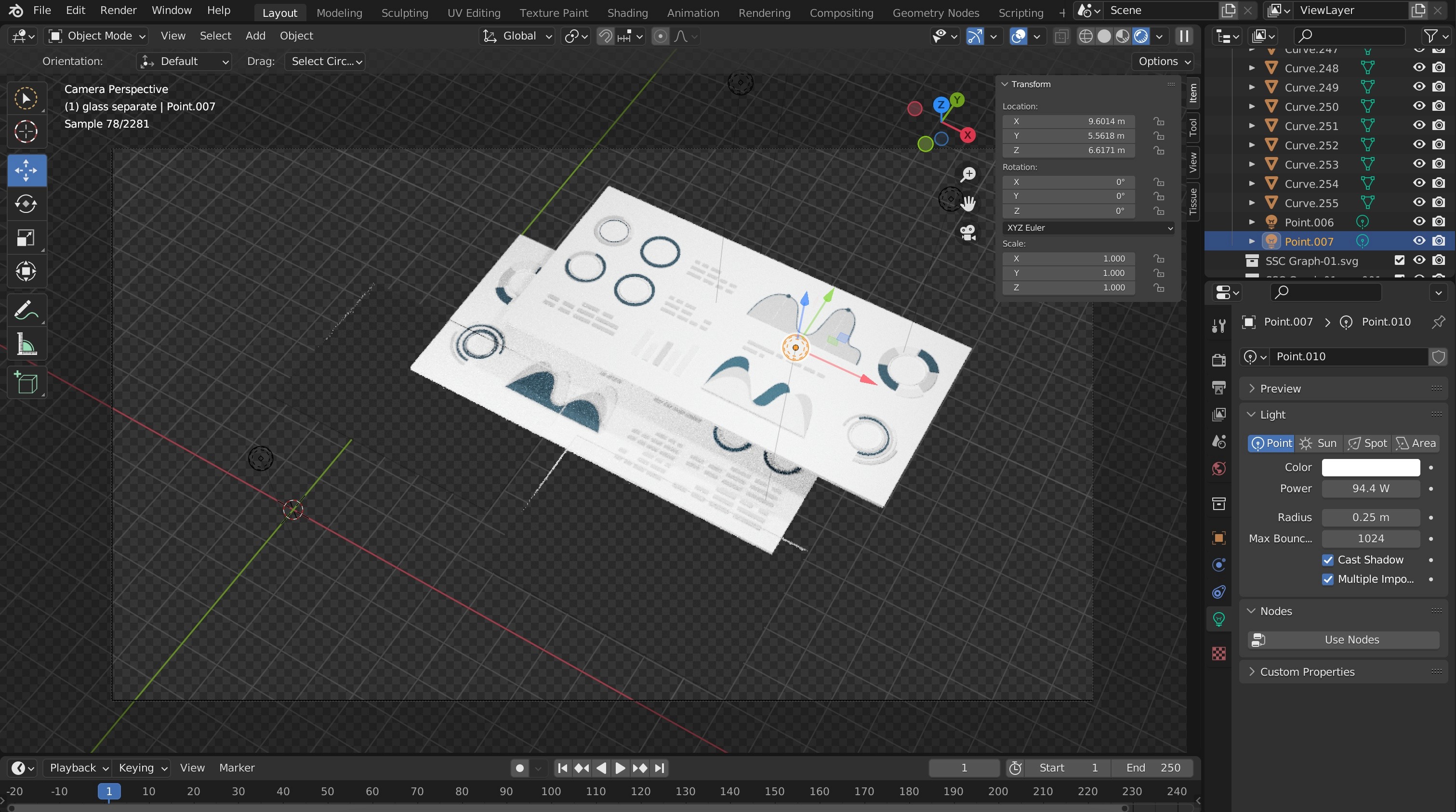
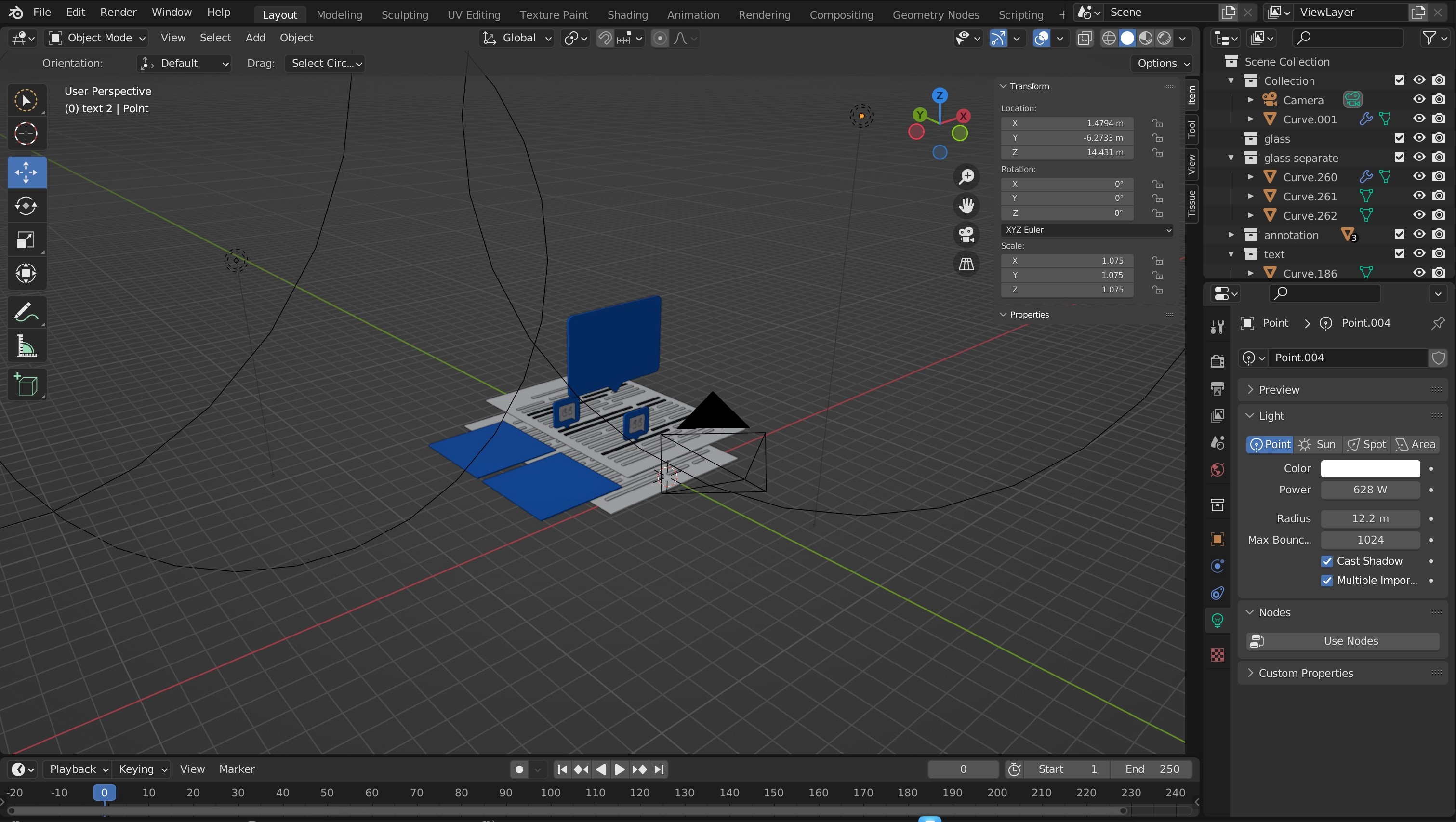
Assets were created and assembled in Blender, combining original work with existing components to streamline production and ensure visual consistency
Final Results
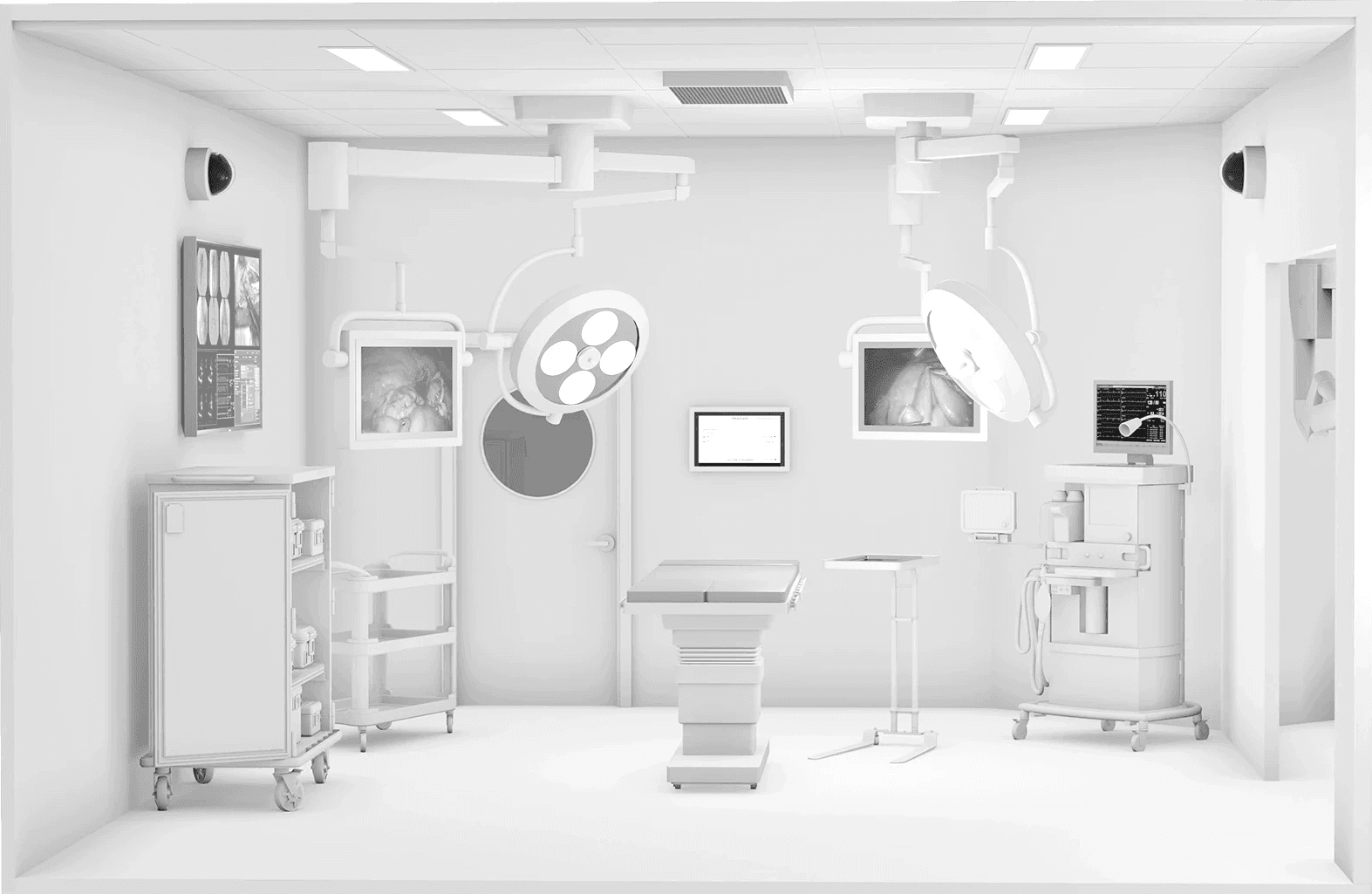
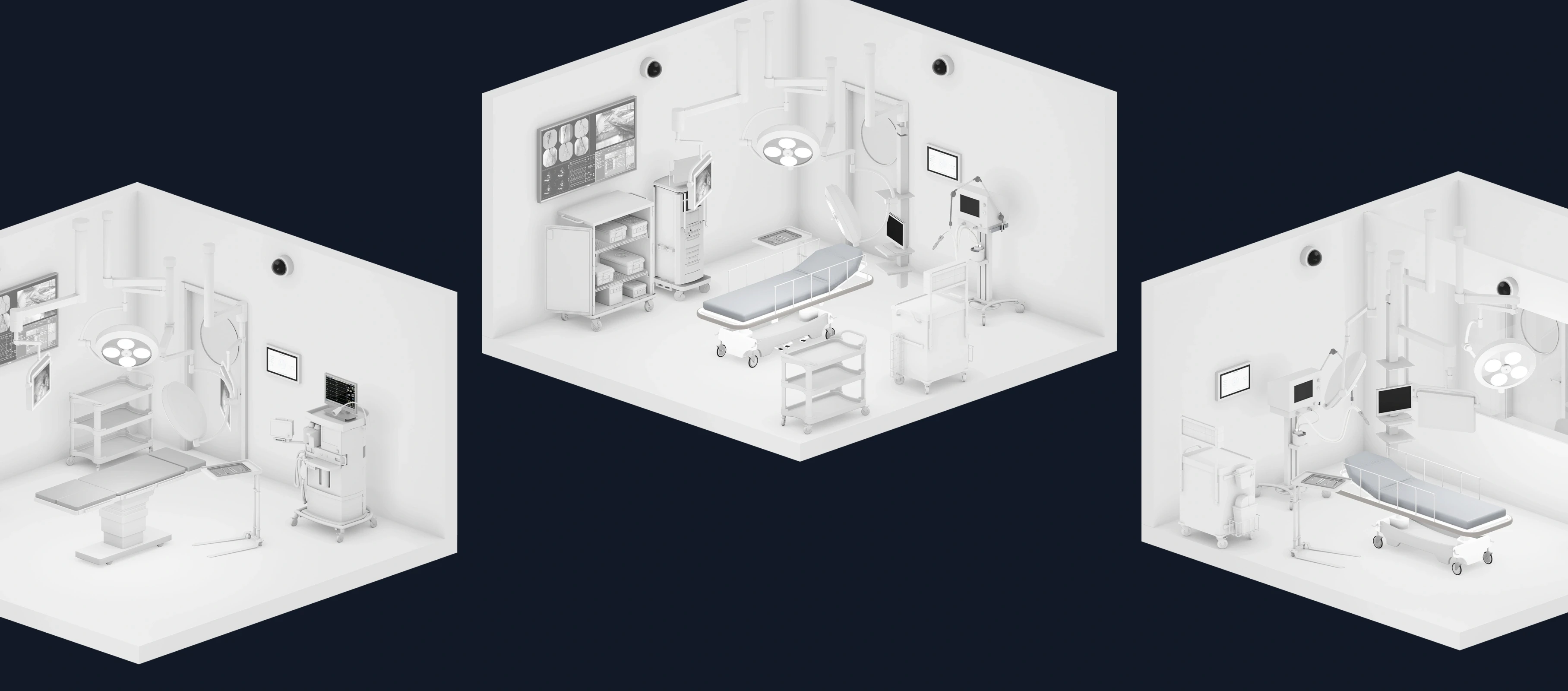
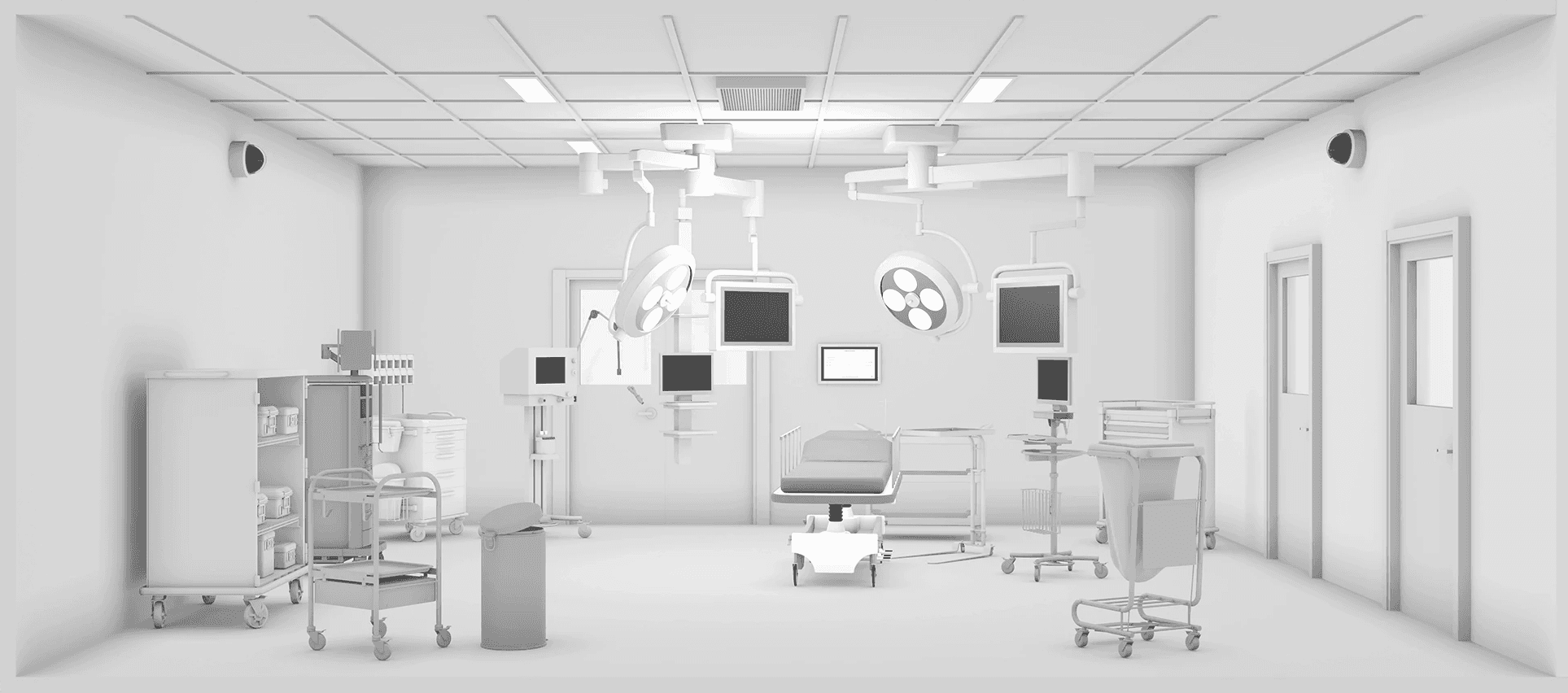
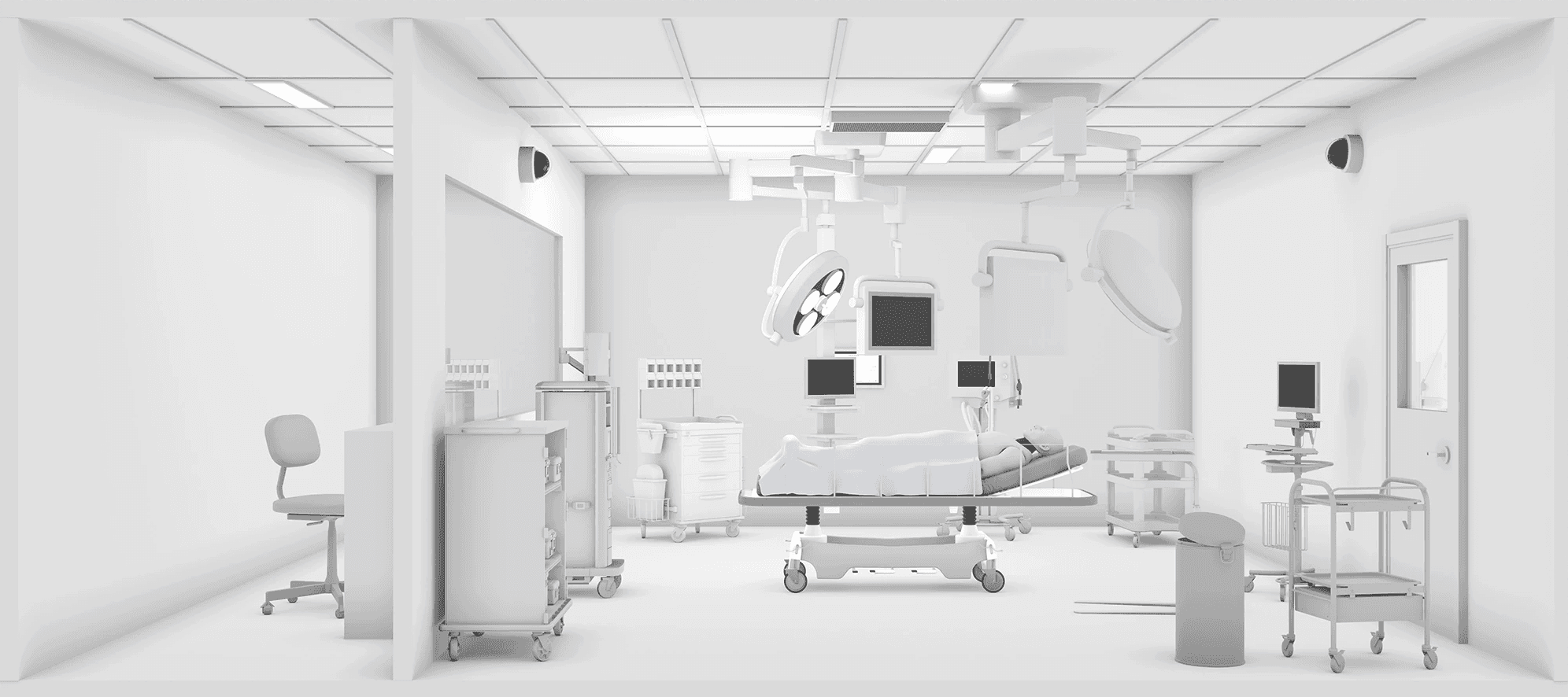
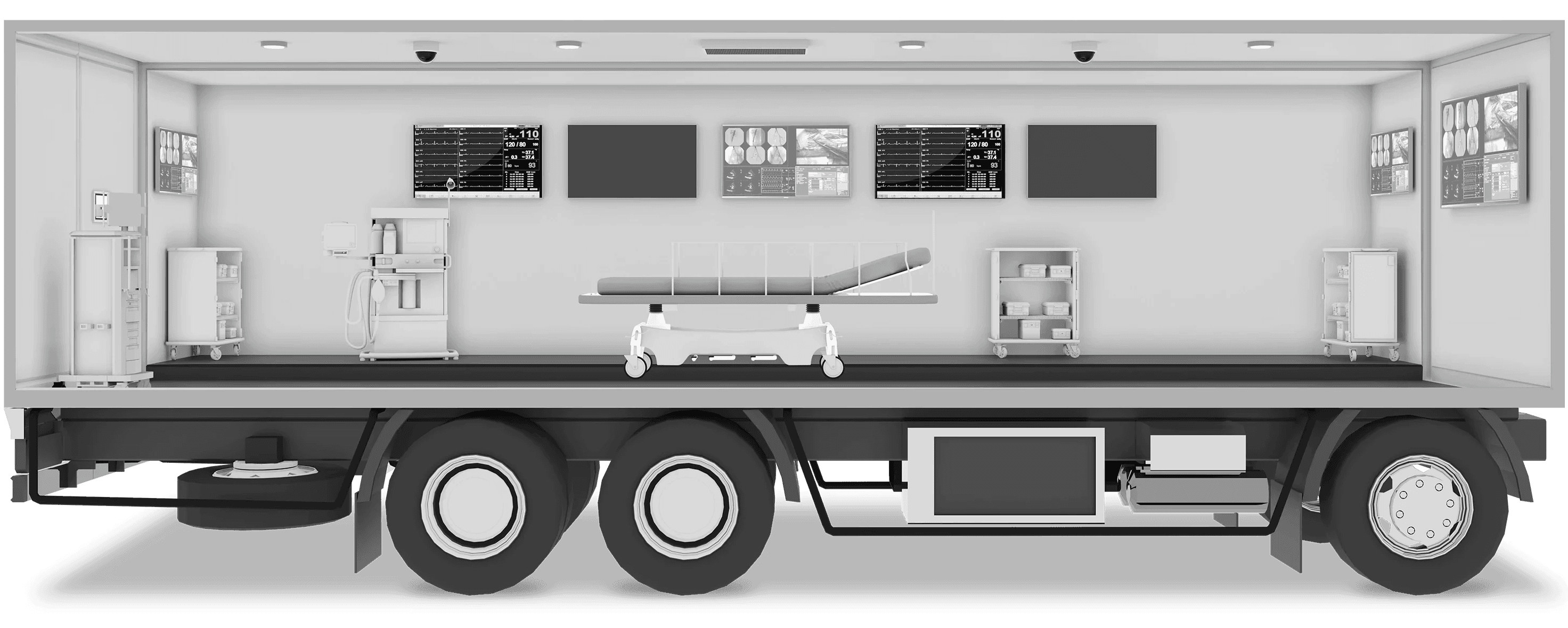
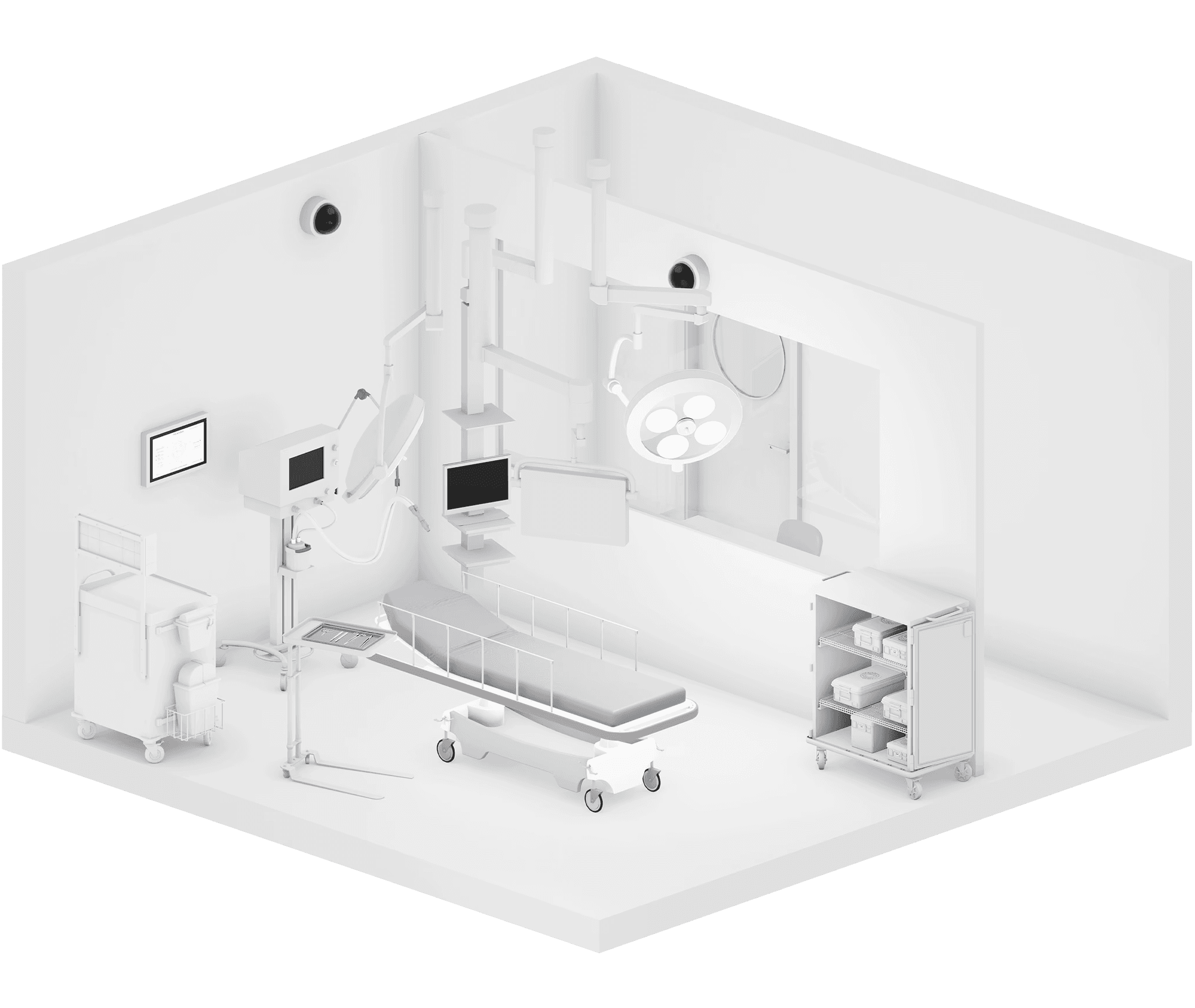
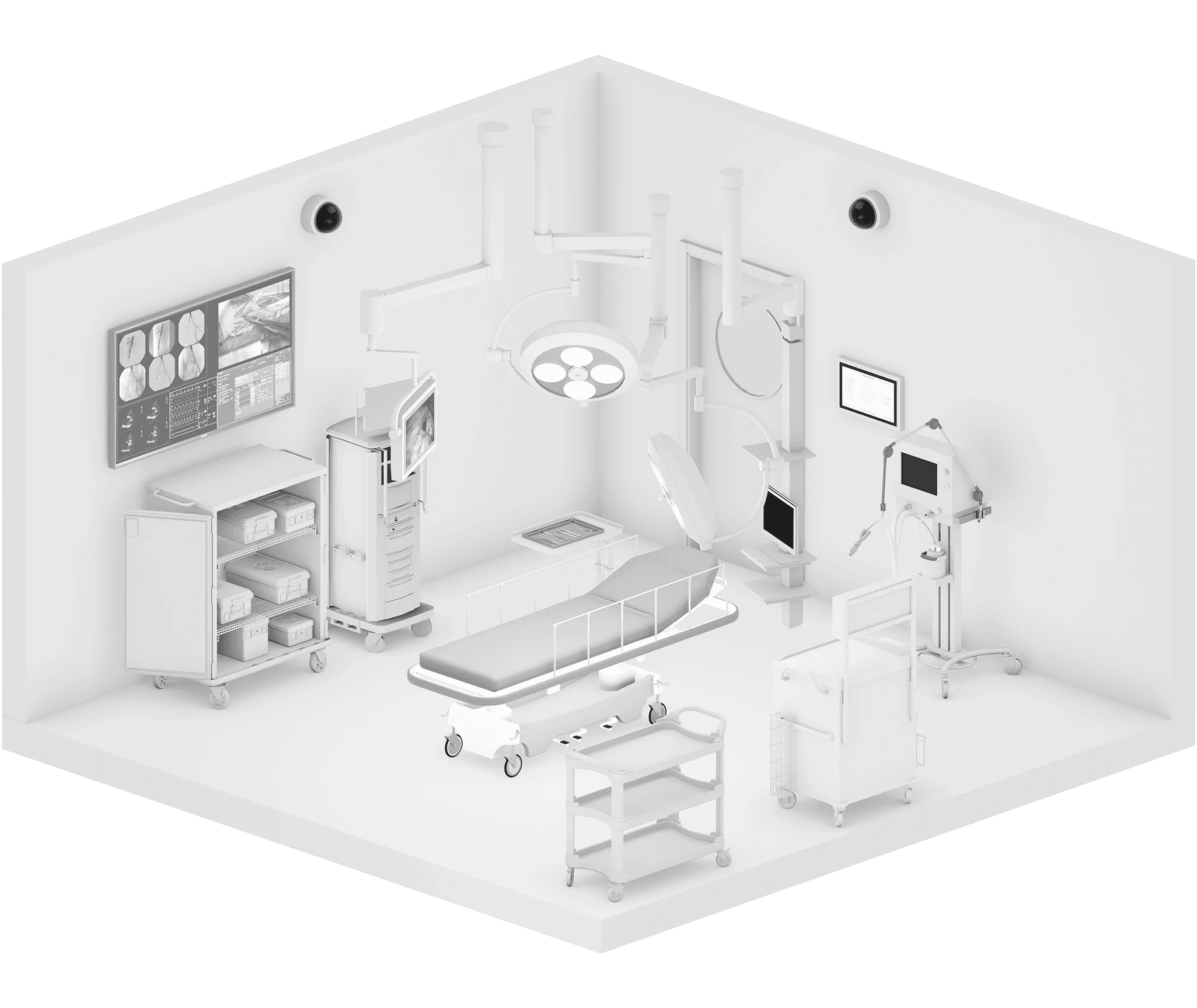
Operating rooms, trauma bays, and simulation environments required clear visual differentiation while maintaining clinical accuracy. This was achieved through close collaboration with clinicians to ensure each environment reflected real-world conditions.

Operating rooms, trauma bays, and
simulation environments required clear
visual differentiation while maintaining clinical accuracy. This was achieved through close collaboration with clinicians to ensure each environment reflected real-world conditions.

image 1image 2image 3

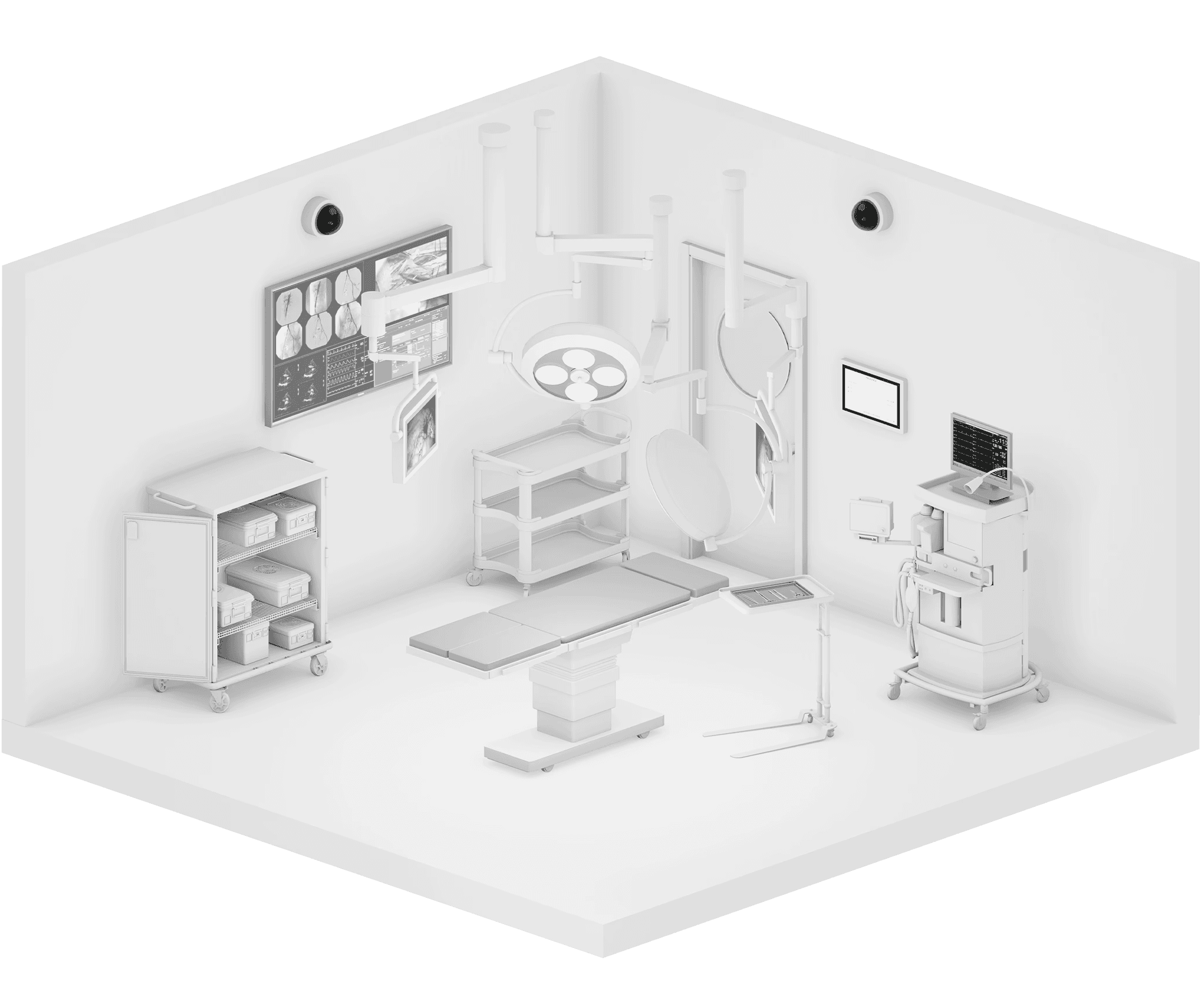
Miniaturized isometric representations used to
unify the three environments under a consistent system

Miniaturized isometric representations used to unify the three environments under
a consistent system

Miniaturized isometric representations used to unify the three environments under a consistent system

Applications

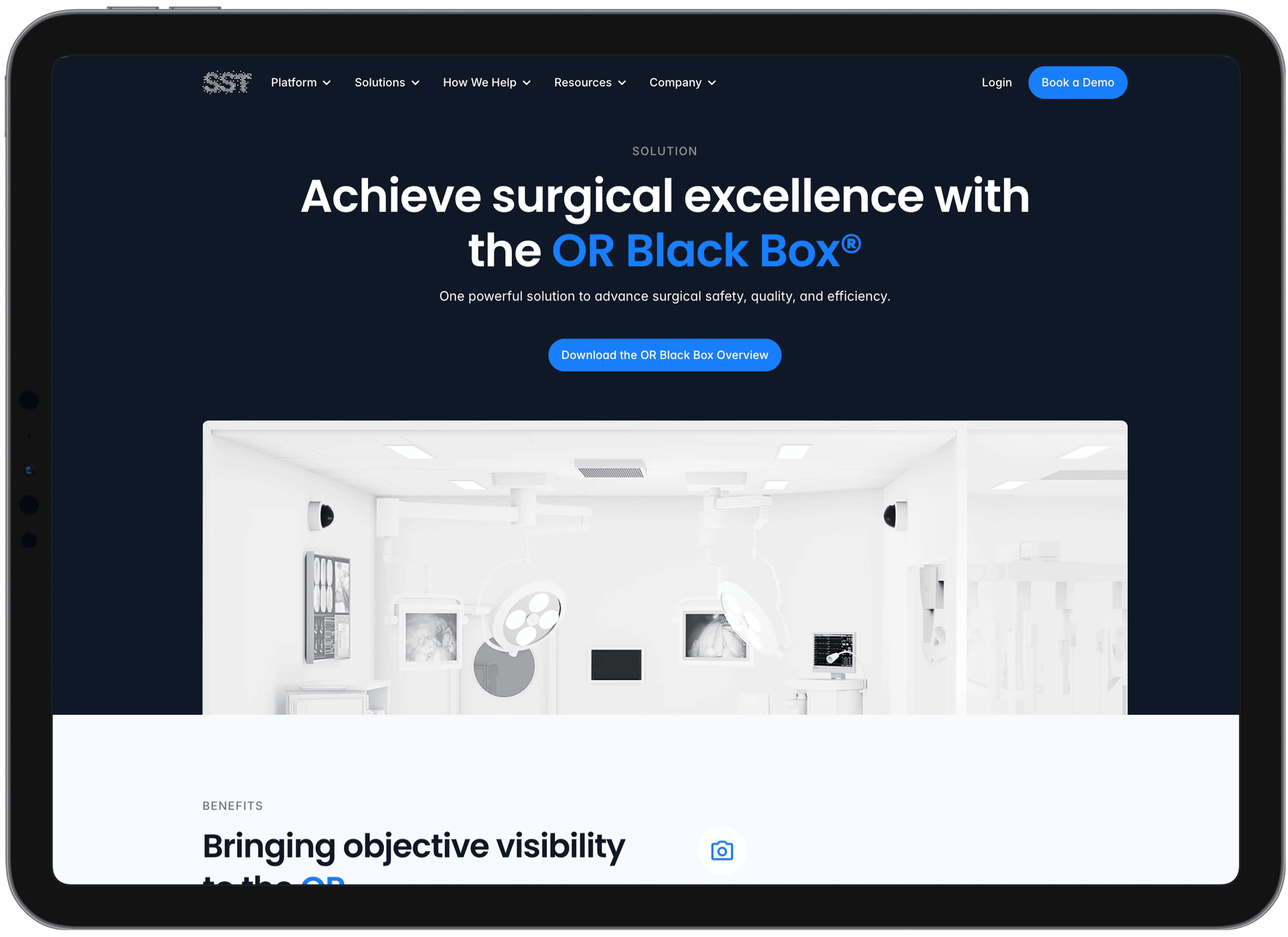
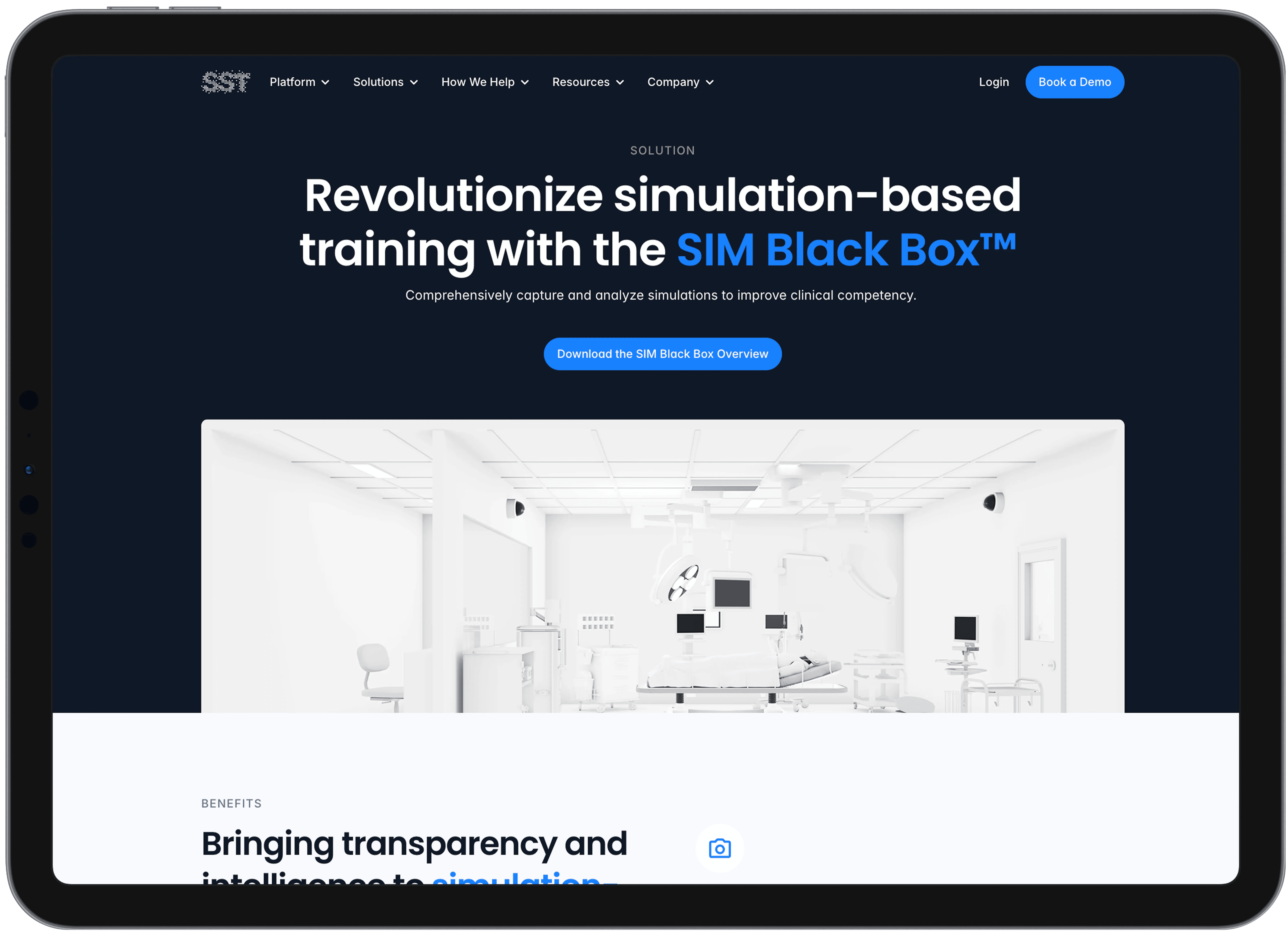
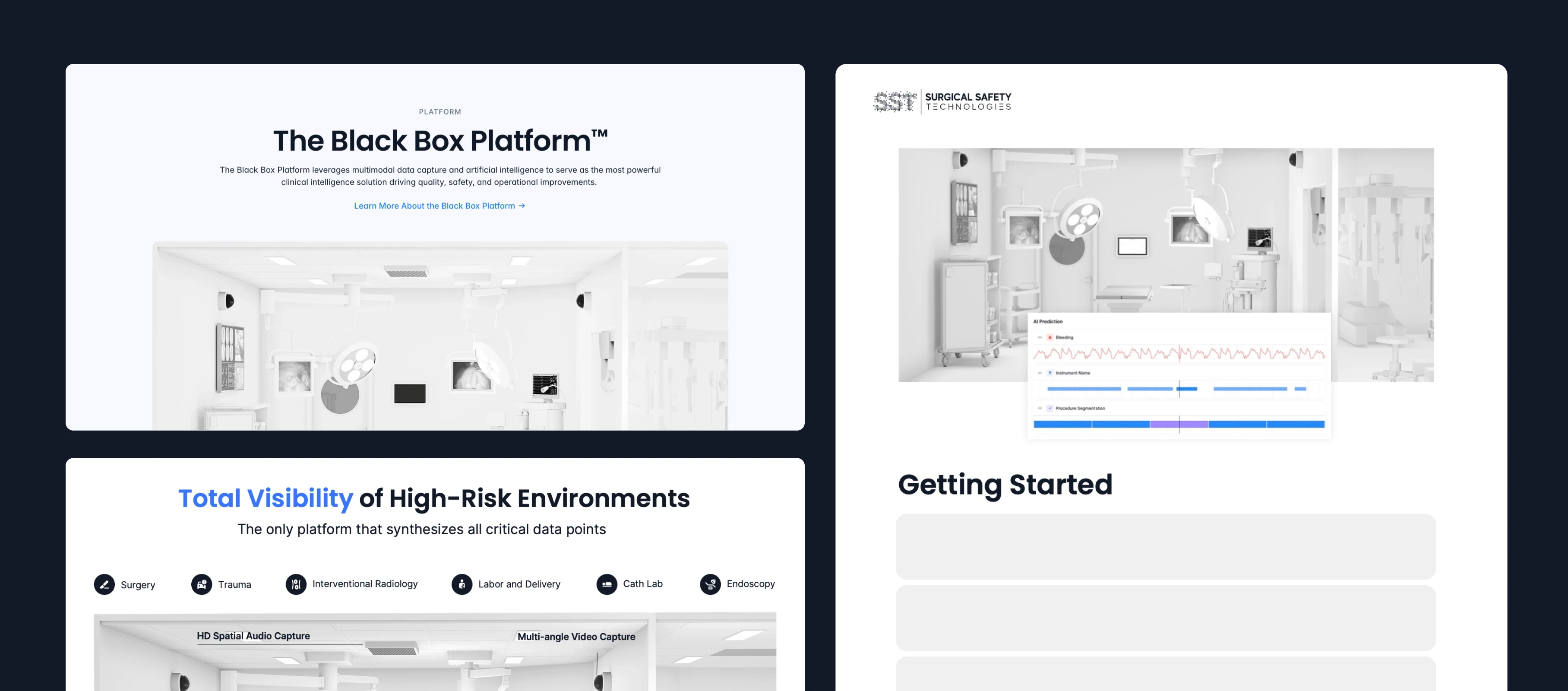
Across sales decks, blogs, case studies, and white papers, these assets make the technology easy to understand
Across sales decks, blogs, case studies, and white papers, these assets make the technology
easy to understand

HAVE A PROJECT IN MIND?

© Aisulu Baibolova 2026

HAVE A PROJECT IN MIND?

© Aisulu Baibolova 2026

HAVE A PROJECT IN MIND?

© Aisulu Baibolova 2026